Power In Reserve
Generator Installation For The Washington, DC Metropolitan Area
An outage exposes exactly which circuits matter most. QTEC Ventures plans generator installation around the loads a home or business cannot afford to lose.

Backup Power Starts With Deciding What Must Stay On
Refrigeration, heating, cooling, sump pumps, internet equipment, security systems, lighting, and business machinery do not all carry the same priority during an outage. Generator sizing begins by separating essential loads from equipment that can remain offline temporarily.
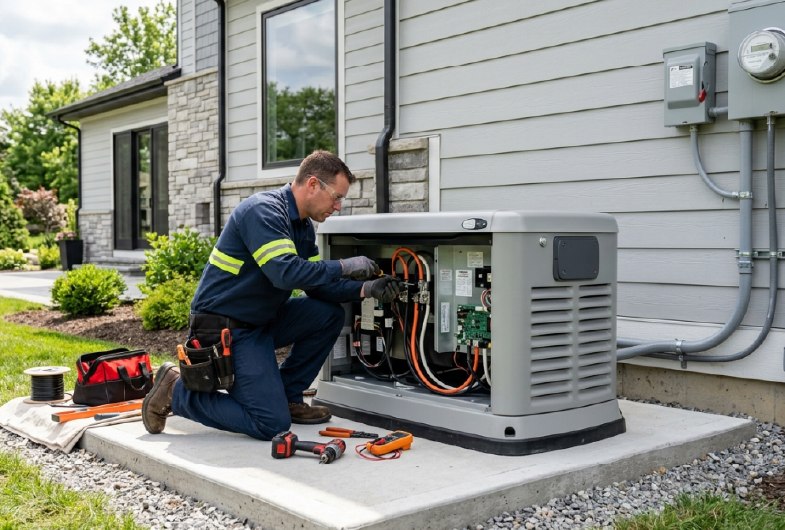
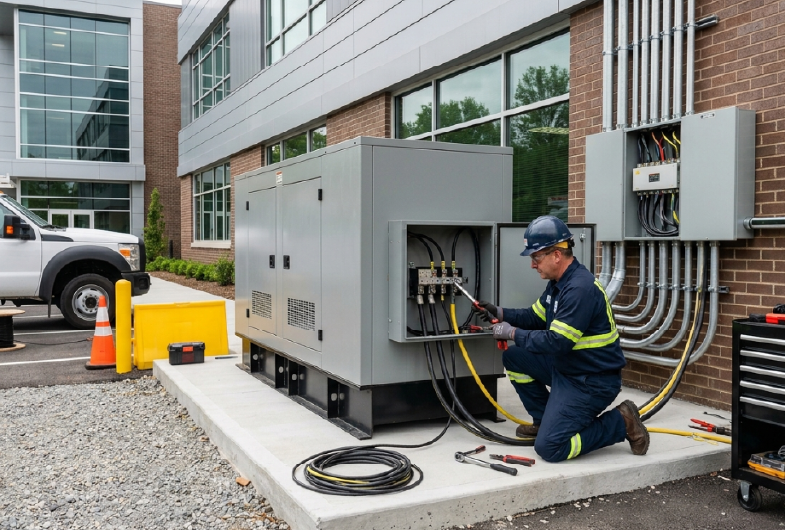
Through generator installation across the DMV, QTEC Ventures coordinates load calculation, generator wiring, equipment placement, standby power requirements, and automatic transfer switch planning. That groundwork helps determine whether the project needs selective circuit coverage, whole-home backup, or a larger commercial standby power system.
The Generator Is Only One Part Of The Backup System
A properly sized unit still needs a safe path into the electrical system. Transfer equipment, panel configuration, wiring distance, fuel considerations, circuit priorities, and available installation space all influence how backup power is integrated.
- Standby Generator Systems
- Whole-Home Backup Power
- Transfer Switch Installation
- Commercial Generator Wiring
Properties reviewing broader electrical services in the Washington, DC Metropolitan Area can coordinate generator work with panel upgrades, circuit changes, load planning, or other electrical improvements that may be needed before standby equipment is connected.
Home And Commercial Backup Loads Require Different Thinking
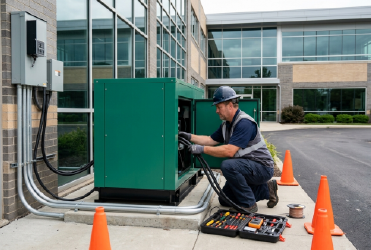
A household may prioritize refrigeration, HVAC, lighting, and essential receptacles. A business may need communications, security, refrigeration, workstations, pumps, or operational equipment kept online, which can substantially change generator capacity and distribution requirements.
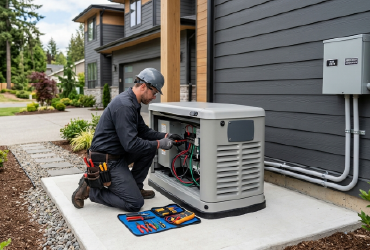
Homeowners considering whole-home generator installation can work with a residential electrician in the Washington, DC Metropolitan Area to evaluate existing panels, household loads, essential circuits, and how backup power should interact with the rest of the residential electrical system.
Ready When Needed
Standby Power Works Best When Every Connection Is Planned
01
Load
Generator capacity is matched to priority circuits, equipment demand, startup loads, and the amount of electrical use expected during an outage.
02
Transfer
An automatic transfer switch manages the change between utility and standby power while keeping the generator properly separated from the electrical grid.
03
Wiring
Generator wiring, breaker connections, panel coordination, and equipment placement are planned together, so backup power reaches the intended circuits safely and efficiently.
04
Response
If an outage reveals unsafe electrical behavior, an emergency electrician in the Washington, DC Metropolitan Area service can address faults beyond the generator system itself.
Get in Touch
Contact Info
- (202) 871-4900
- admin@qtecventures.com
- 1227 Marion Barry Ave SE #102 Washington DC 20020
Outage Preparedness
What Changes Once Backup Power Is Properly Planned
Property owners choose QTEC Ventures for generator projects that account for actual electrical demand, transfer equipment, circuit priorities, and the practical details that determine how standby power performs.
Generator Questions
Backup Power Questions Across The DC Metro
Generator sizing depends on the circuits and equipment that need backup, their running loads, startup demand, and whether the goal is selective coverage or broader whole-property power. A load calculation helps establish suitable capacity.
An automatic transfer switch detects utility loss and manages the transition to standby power. It also isolates the generator from the utility supply, so backup electricity can feed selected circuits without backfeeding the grid.
Yes, whole home generator installation in the Washington, DC Metropolitan Area can be designed for broad household coverage when generator capacity, service size, and electrical demand support it. Some properties instead prioritize selected essential circuits.
Commercial generator installation should account for operational priorities, equipment loads, refrigeration, communications, security systems, startup demand, and available electrical capacity. The generator should support the systems that matter most during downtime.
Yes. Generator wiring must coordinate with transfer equipment, panel connections, circuit protection, generator output, and applicable installation requirements. QTEC Ventures plans those components together rather than treating the generator as a standalone appliance.