Home Current
Residential Electrician Services For Northern Virginia Homes
A home can keep functioning while small electrical faults quietly build. In Northern Virginia, QTEC Ventures handles residential electrical work with attention to safety, usability, and changing household demand.

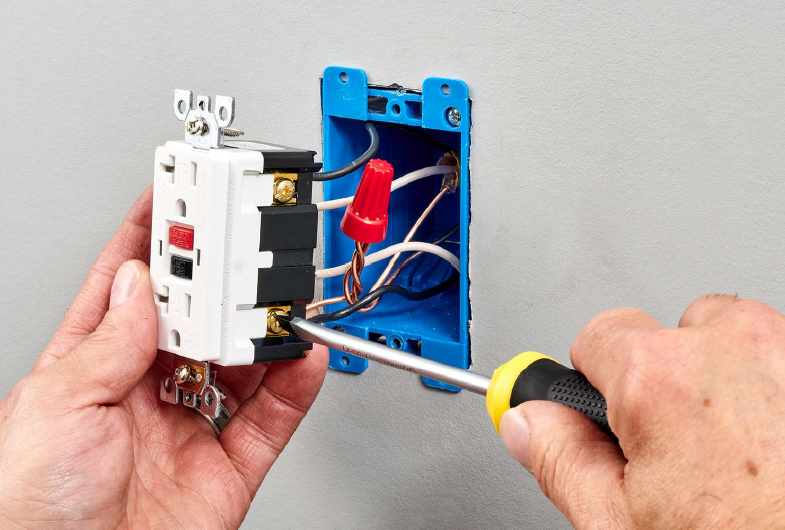
Small Electrical Problems Can Point To Bigger Household Issues
A loose receptacle, flickering fixture, warm switch, or breaker that trips occasionally can seem minor until the pattern becomes harder to ignore. Home electrical troubleshooting should look beyond the visible symptom to the circuit, wiring, connected load, and protective devices behind it.
Homeowners using a residential electrician across the DMV can address outlets, switches, fixtures, fans, branch circuits, wiring faults, and other residential electrical needs. QTEC Ventures approaches each repair according to what the system is doing and how that part of the home is actually used.
Modern Homes Often Ask More From Older Circuits
Kitchen appliances, home offices, entertainment systems, workshops, remodeled rooms, and additional equipment can all change the electrical demand placed on a house. Circuits that once carried light loads may eventually serve far more devices than before.
- Outlet And Switch Work
- House Wiring Services
- Fixture And Fan Installation
- Residential Circuit Upgrades
When a project reaches beyond one room, broader electrical services in Northern Virginia can bring wiring, panel work, lighting, circuit changes, and other home electrical improvements into one coordinated plan.
Protection Devices Matter Just As Much As Having Power
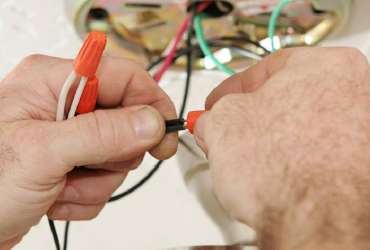
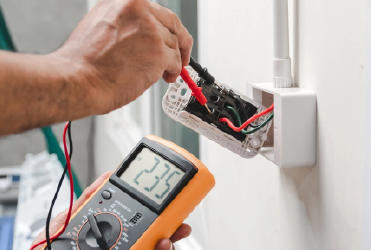
A working outlet is only part of the picture. GFCI protection, AFCI protection, grounding, branch-circuit design, and electrical code requirements all influence whether power is being delivered appropriately for the room and equipment involved.
Repeated breaker trips may signal a load or circuit issue rather than a bad breaker alone. Circuit breaker services in Northern Virginia can examine breaker behavior alongside household wiring and connected loads when resets stop solving the problem.
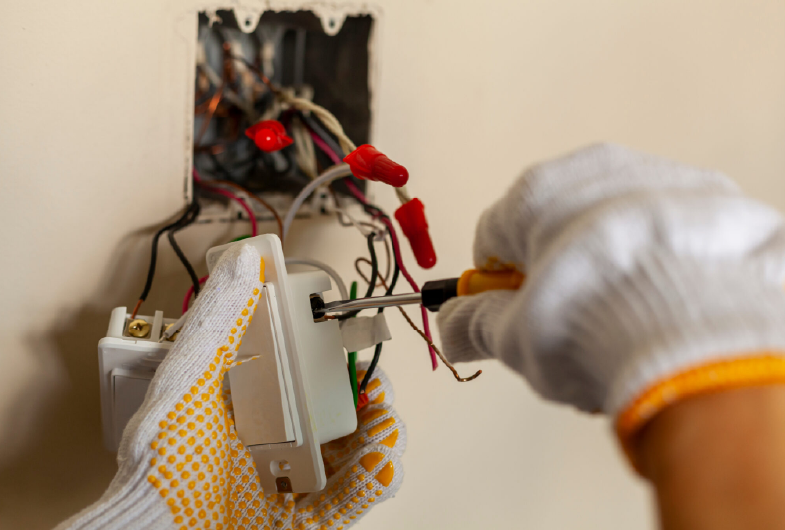
Built For Daily Use
Residential Electrical Work Should Match How The Home Is Lived In
01
Safety
GFCI protection, AFCI protection, grounding, wiring condition, and circuit use are considered according to room function, connected equipment, and electrical code requirements.
02
Function
Outlets, switches, fans, lighting, and branch circuits are planned around how each room is used rather than treated as isolated electrical components.
03
Troubleshooting
Dead outlets, flickering lights, warm devices, and recurring power loss are traced through wiring and circuits before repair or replacement decisions are made.
04
Charging
Drivers adding home charging can explore EV charger installation in Northern Virginia for dedicated circuits, panel review, charger placement, and electrical capacity planning.
Get in Touch
Contact Info
- (202) 871-4900
- admin@qtecventures.com
- 1227 Marion Barry Ave SE #102 Washington DC 20020
Everyday Results
What Homeowners Notice When Electrical Work Fits The Space
The difference shows up in ordinary use: outlets work where needed, circuits behave predictably, fixtures operate properly, and upgrades make sense for the household. QTEC Ventures keeps that everyday function in focus.
Home Questions
Residential Electrical Questions From Northern Virginia Homeowners
Call a residential electrician when breakers trip repeatedly, outlets fail, lights flicker, switches feel warm, wiring appears damaged, or part of the home loses power unexpectedly. Troubleshooting helps identify the actual source.
Home electrical repair in Northern Virginia can include outlets, switches, fans, fixtures, wiring faults, breaker concerns, dead circuits, and other household electrical problems. QTEC Ventures evaluates the cause before recommending repair or replacement.
GFCI devices help protect against certain ground-fault shock hazards, while AFCI protection detects certain dangerous arcing conditions. Where each is used depends on circuit location, application, and applicable electrical code.
Yes. House wiring services in Northern Virginia can be incorporated into kitchens, basements, additions, offices, and other remodels. Updated layouts may require new receptacles, lighting, circuits, or relocated electrical connections.
Not always. The answer depends on appliance load, manufacturer requirements, existing circuit capacity, breaker size, and what else shares the branch circuit. Larger equipment may require dedicated power.