
Connected Mobility
Commercial EV Charging Installation For Maryland Properties
Adding EV charging is not only an equipment decision. Parking patterns, vehicle schedules, available power, and future demand all influence how a charging system should be built. QTEC Ventures plans commercial EV charging installation across Maryland around the way vehicles and properties operate.

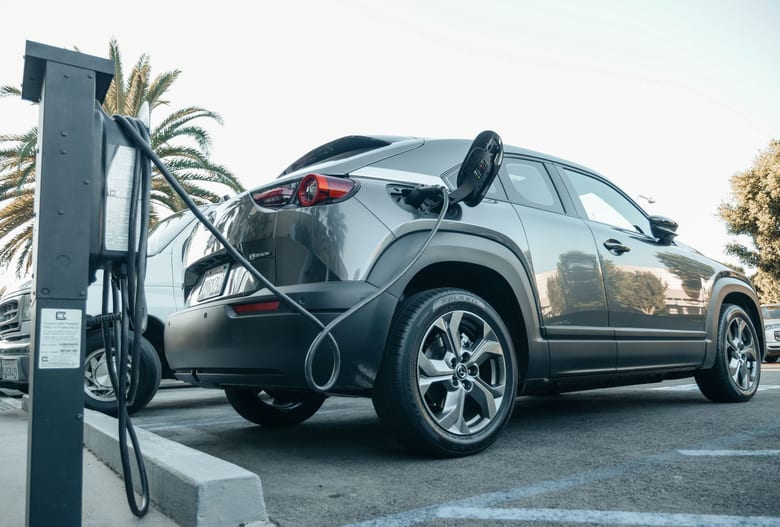
Charging Infrastructure Begins With Understanding The Site
A workplace with employee vehicles, a fleet yard with scheduled returns, and a multifamily property with shared parking all require different approaches. Charger quantity alone does not determine success. The surrounding electrical infrastructure has to support the way drivers will actually use the system.
Through commercial EV charging installation across the DMV, QTEC Ventures considers charger placement, load management, Level 2 charging, networked chargers, and electrical capacity before installation decisions are made.
Available Power Can Influence The Charging Layout
A parking area may appear suitable for chargers, but the electrical path behind it matters. Service capacity, commercial panels, conduit routing, equipment location, and future expansion plans can all affect where charging stations should be placed.
- Workplace EV Charging
- Fleet Charging Systems
- Multifamily EV Charging
- Commercial Level 2 Chargers
When additional electrical support is needed, electrical services in Maryland can address circuits, panels, wiring, and other infrastructure requirements connected to the charging project.
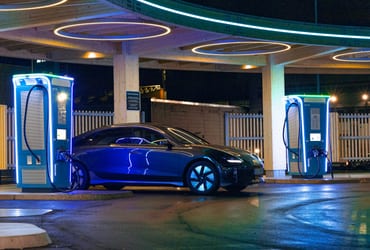
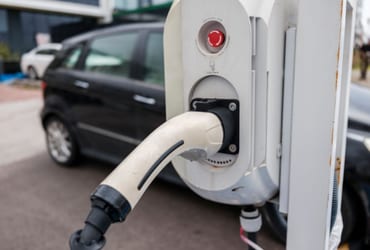
Businesses Need Charging Systems That Match Daily Operations
Fleet vehicles may need predictable charging windows, while offices may need employee access throughout the day. Retail properties and multifamily communities may require different approaches for customer, tenant, or visitor use.
A commercial electrician in Maryland can evaluate electrical capacity, panel conditions, and installation requirements before chargers are added. That planning helps align the charging system with the property’s existing electrical setup.
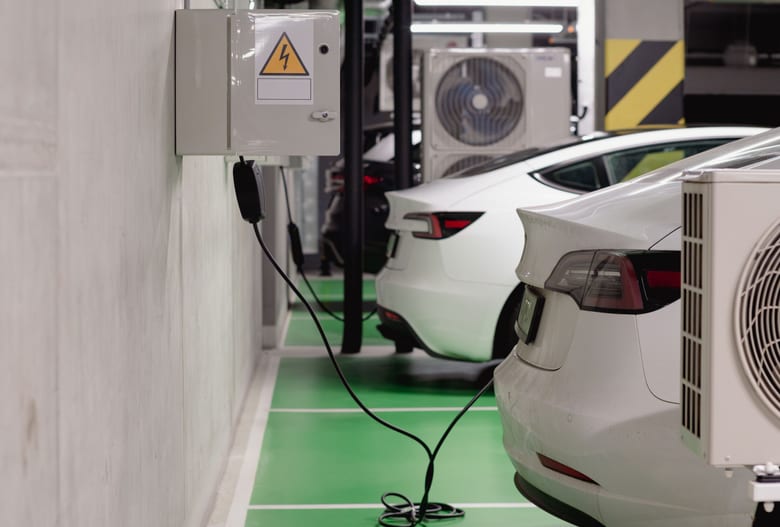
Powering Vehicles
Commercial Charging Depends On Planning Beyond The Charger
01
Power Availability
Available service capacity, existing electrical loads, panel conditions, and projected charging needs are reviewed before connecting additional EV infrastructure.
02
Installation Location
Parking design, vehicle movement, cable distance, charger positioning, and conduit pathways are considered when selecting practical commercial charging locations.
03
Management
Load management systems help distribute available power between chargers when multiple vehicles need charging at the same location.
04
Integration
Properties upgrading parking areas may coordinate charging with commercial lighting in Maryland to improve visibility around charging spaces and access areas.
Get in Touch
Contact Info
- (202) 871-4900
- admin@qtecventures.com
- 1227 Marion Barry Ave SE #102 Washington DC 20020
Future Ready
What Businesses Gain From A Well-Planned Charging System
A properly designed charging setup makes daily use easier for drivers and easier to manage for property owners. QTEC Ventures focuses on charger placement, electrical requirements, and system planning so the infrastructure supports current needs while leaving room for future changes.
Charging Questions
Commercial EV Charging Questions From Maryland Properties
Commercial EV charging installation in Maryland should consider electrical capacity, parking layout, charger quantity, vehicle schedules, available panels, wiring routes, and future expansion. Reviewing these details helps determine the right charging approach for workplaces, fleets, retail properties, and multifamily locations.
Commercial Level 2 chargers are commonly used for workplaces, fleets, and shared properties where vehicles remain parked for extended periods. The right setup depends on charging demand, available electrical capacity, vehicle requirements, and how frequently drivers need access to power.
Load management helps balance electrical demand when several chargers operate at the same location. Instead of every charger drawing maximum power simultaneously, the system can distribute available capacity while helping the property avoid unnecessary strain on existing electrical infrastructure.
Yes. Existing properties can often add EV charging after reviewing service capacity, commercial panels, wiring routes, parking conditions, and installation requirements. Some projects may require electrical upgrades before chargers can be connected safely and efficiently.
Fleet EV charging installation in Maryland should account for vehicle schedules, charging windows, daily mileage, fleet size, parking arrangements, and future expansion. A charging system should support operational needs rather than only the current number of vehicles.