
Home Charging
EV Charger Installation For Maryland Homes
Charging at home starts with more than mounting a wall unit. The electrical system behind the charger determines how safely and effectively the vehicle can receive power. QTEC Ventures provides EV charger installation across Maryland with attention to circuits, capacity, placement, and everyday charging habits.

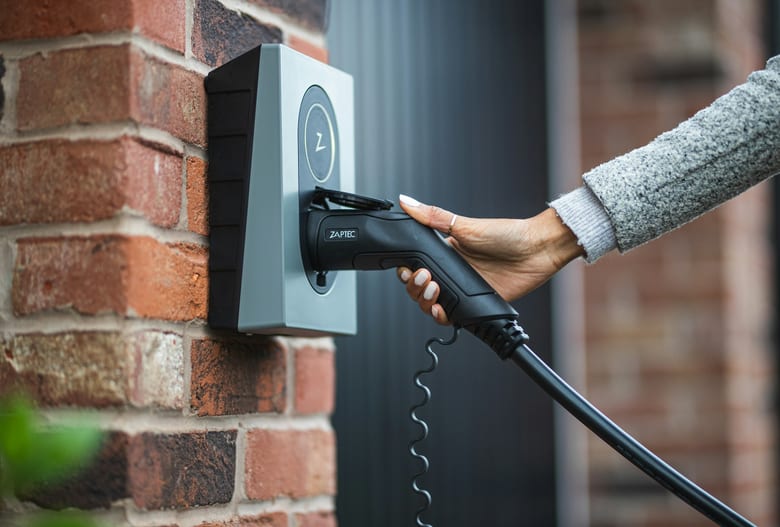
Home Charging Begins With The Right Electrical Foundation
An electric vehicle charger adds a dedicated demand to the home electrical system. Panel capacity, available circuits, wiring distance, and charger specifications all influence how the installation should be approached.
Through EV charger installation across the DMV, QTEC Ventures helps homeowners plan Level 2 charging systems, dedicated circuits, and EVSE connections that fit their property and vehicle requirements.
The Right Charger Setup Depends On How You Drive
A commuter charging overnight has different needs than a household with multiple electric vehicles. Garage layout, parking position, cable reach, charging speed, and available electrical capacity all affect the final installation plan.
- Level 2 Charger Installation
- Tesla Charger Installation
- Dedicated Charging Circuits
- Home EV Charging Stations
For homes needing electrical preparation before installation, electrical services in Maryland can support wiring adjustments, circuit work, and other improvements connected to the charging project.
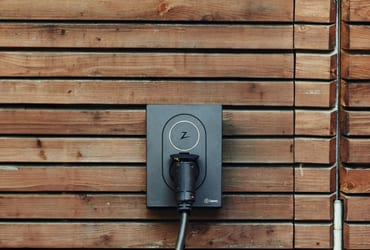

Safe Charging Requires More Than A Convenient Outlet Location
A charger may sit near the vehicle, but the electrical path behind it matters just as much. Circuit sizing, breaker compatibility, panel space, and wiring methods all influence whether the charging setup performs properly.
Homeowners planning a dedicated charging location can work with a residential electrician in Maryland to review the existing electrical system and determine what installation requirements need to be addressed.
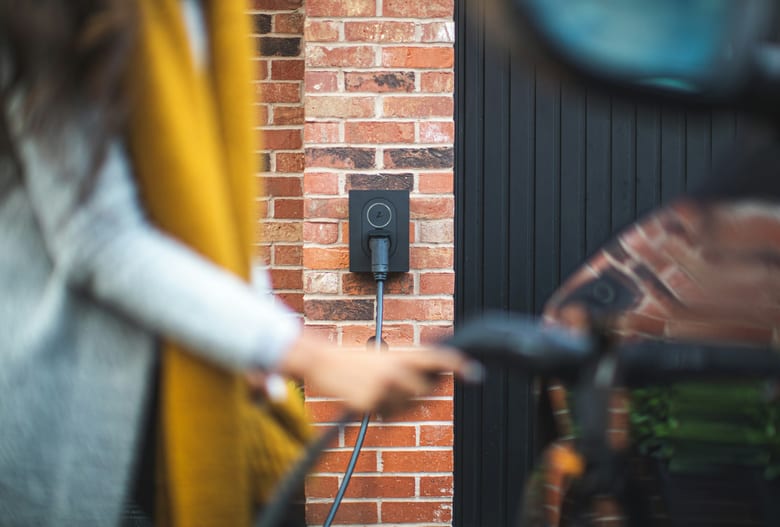
Electric Mobility
EV Charging Installations Depend On Electrical Details
01
Capacity
Load calculations help determine whether the existing electrical system can support a new charging circuit without exceeding available capacity.
02
Circuits
Dedicated charging circuits, breaker selection, and wiring requirements are reviewed to support safe Level 2 charger operation.
03
Placement
Garage layout, wall location, vehicle position, cable reach, and outdoor exposure influence where the charger should be installed.
04
Compatibility
Tesla chargers and other EVSE equipment require proper electrical connections based on charger specifications and property conditions.
Get in Touch
Contact Info
- (202) 871-4900
- admin@qtecventures.com
- 1227 Marion Barry Ave SE #102 Washington DC 20020
Smarter Charging
What Drivers Notice After Installing Home Charging
A dedicated home charger changes how electric vehicle ownership fits into daily routines. Instead of planning around public charging locations, drivers can start each day with a charging setup designed around their own parking and driving patterns. QTEC Ventures focuses on creating practical charging solutions for Maryland homes.
Charging Questions
EV Charger Questions From Maryland Homeowners
EV charger installation in Maryland typically involves reviewing panel capacity, selecting the correct charger location, installing a dedicated circuit, connecting wiring, mounting the equipment, and testing the completed system. Requirements can vary depending on the vehicle, charger type, and existing electrical setup.
Level 2 charger installation usually provides faster charging compared with a standard household outlet. It requires dedicated electrical planning, including the correct circuit, wiring, and available capacity, making it a common choice for homeowners who charge their vehicles regularly.
Yes. Tesla charger installation in Maryland can be planned by reviewing charger requirements, panel capacity, circuit availability, wiring routes, and the preferred installation location. The goal is to create a dedicated charging setup that works with the home electrical system.
Not every home requires upgrades, but an evaluation is important before installation. Some properties may already have sufficient capacity, while others may need panel improvements, circuit adjustments, or additional electrical work to support the charger safely.
A good charger location depends on parking habits, garage layout, vehicle access, cable length, weather exposure, and the distance from the electrical panel. Proper placement helps make daily charging easier while avoiding unnecessary wiring complications.