
Charging Capacity
Commercial EV Charging Installation For Northern Virginia Properties
A parking lot can look ready for chargers long before the electrical system is. Commercial EV charging installation in Northern Virginia starts with understanding vehicles, available power, and how the site operates

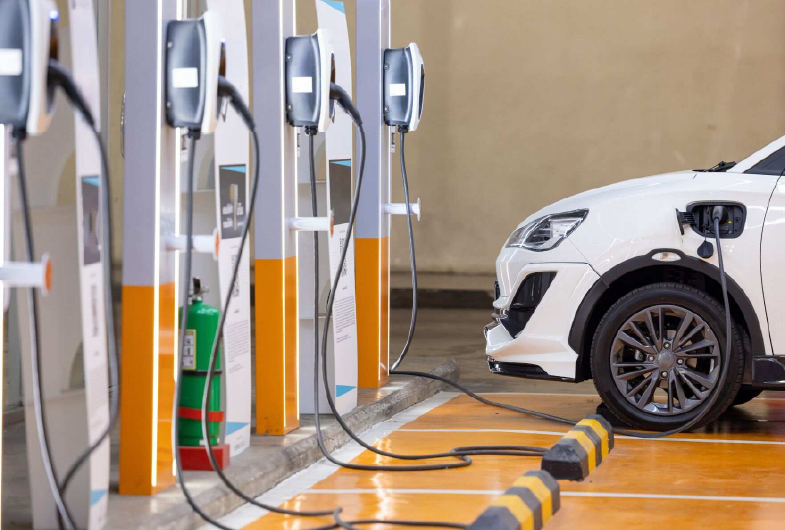
The Best Charger Layout Starts With How Vehicles Arrive And Leave
A workplace with cars parked for most of the day has different charging demands from a fleet that needs vehicles ready for scheduled routes. Multifamily properties add another layer, where shared parking, resident access, and charger availability can shape the entire project.
Through commercial EV charging installation across the DMV, QTEC Ventures evaluates charger quantity, dwell time, electrical capacity, parking configuration, and expected demand before equipment locations are finalized. Those details help determine whether Level 2 charging, networked chargers, or a phased installation makes the most sense.
Power Availability Can Shape The Project Before Equipment Is Chosen
Installing several chargers can introduce a substantial new electrical load. Existing service capacity, commercial panels, conduit routes, available breaker space, and distance to parking areas may all influence how much charging can be added without unnecessary electrical changes.
- Workplace EV Charging
- Fleet Charging Systems
- Multifamily Charging
- Commercial Level 2 Chargers
Properties planning broader upgrades can review electrical services in Northern Virginia alongside charging infrastructure. Coordinating panel work, circuits, wiring, and EV equipment early can reduce conflicts between the charging plan and the building’s existing electrical system.
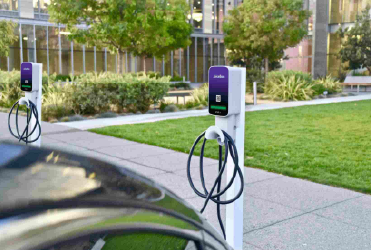
Charging Demand Is Easier To Manage When The Site Is Planned As A System
Ten charging ports do not necessarily need full output at the same moment. Load management and networked chargers can distribute available electrical capacity according to usage, while fleet electrification plans may prioritize certain vehicles based on departure schedules and operational needs.
A commercial electrician in Northern Virginia can evaluate panels, service capacity, circuit requirements, and distribution before business EV charging stations begin adding new demand to the property.
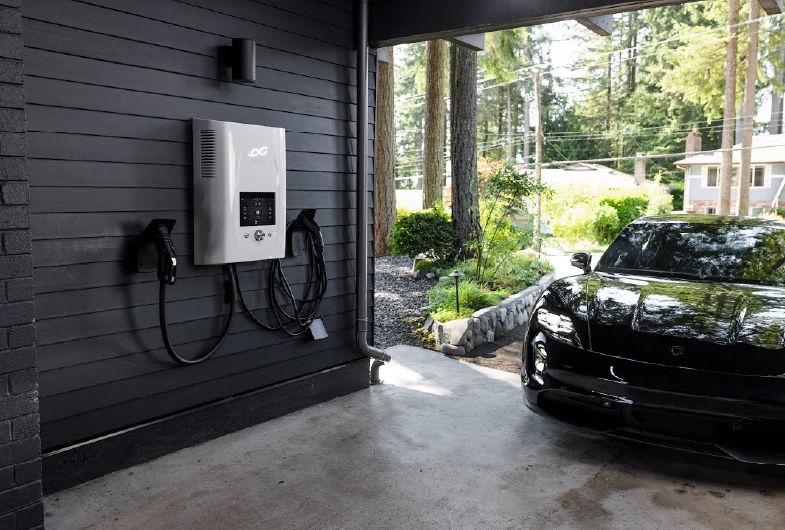
Site Intelligence
Commercial Charging Works Better When Infrastructure And Parking Are Planned Together
01
Power Assessment
Service size, panel availability, current demand, charger quantity, and projected usage are evaluated before expanding EV charging infrastructure on the property.
02
Access
Parking position, cable reach, accessible spaces, driver movement, and charger visibility all influence where commercial charging equipment can function most effectively.
03
Management
Networked chargers and load management can distribute available power across multiple vehicles while giving operators better control over charging schedules and usage.
04
Visibility
For parking areas needing improved illumination, commercial lighting in Northern Virginia can be coordinated with charger placement, pedestrian movement, and nighttime access.
Get in Touch
Contact Info
- (202) 871-4900
- admin@qtecventures.com
- 1227 Marion Barry Ave SE #102 Washington DC 20020
Charging Experience
What Property Operators Notice Once Charging Becomes Part Of Daily Use
Businesses and property managers choose QTEC Ventures for charging infrastructure that accounts for vehicle patterns, parking logistics, electrical limits, expansion plans, and the practical demands of operating the site.
Charging Questions
Commercial EV Charging Questions From Northern Virginia Properties
Commercial EV charging installation in Northern Virginia should begin with electrical capacity, charger quantity, parking layout, vehicle dwell time, conduit routing, and expected demand. Those factors help determine equipment type and infrastructure requirements.
Yes. Commercial Level 2 chargers in Northern Virginia can work well where vehicles remain parked for several hours. Workplaces and multifamily properties often benefit from the balance between charging speed, equipment cost, and electrical demand.
Load management can distribute available electrical capacity between multiple chargers instead of allowing every unit to draw maximum power simultaneously. This can make larger charging deployments more practical where service capacity is limited.
Fleet EV charging installation in Northern Virginia should account for route schedules, daily mileage, vehicle return times, charging windows, charger output, and future fleet electrification so vehicles are available when operations require them.
Yes. Multifamily EV charging in Northern Virginia can be planned for assigned or shared spaces. Access control, networked chargers, electrical capacity, parking rules, and future resident demand should be considered before installation.